Free Consultations 815-215-7561 312-782-2453

815-215-7561 312-782-2453
Spinal Cord Injuries and Paralysis After a Truck Accident
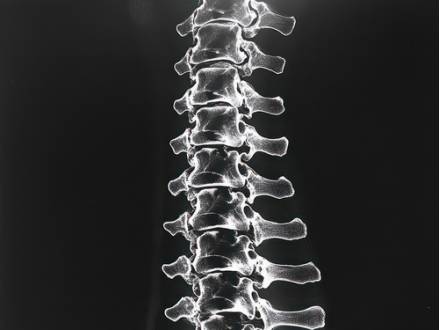 Recent data from the National Safety Council shows that large trucks are involved in thousands of fatal crashes per year. The sheer size disparity between trucks and most other vehicles means that, even in non-fatal cases, a high-speed collision will often leave the other driver in fragile condition. If you or somebody you love has suffered a spinal cord injury caused by a truck accident, contact a Rockford, IL truck accident attorney to discuss your options for recovering compensation.
At Mannarino & Brasfield, A Division of Schwartz Jambois, we know how devastating a spinal cord injury can be, especially when it leads to paralysis. Our firm will fight for full compensation for a catastrophic injury, as we have successfully represented many clients in cases involving spinal cord injuries and brain damage.
Causes of Spinal Cord Injuries in Truck Accidents
Spinal cord injuries in truck crashes usually come from extreme force. A tractor-trailer can weigh many times more than a passenger car. When that weight hits a smaller vehicle, the spine can be bent, twisted, or crushed.
Common crash patterns can damage the spine in different ways. A rear-end hit can cause a jolt to the neck and upper back. A side-impact crash can squeeze the body and shove vertebrae out of place. Rollovers can slam a person into the roof, doors, and seat frame. Even a seat belt can’t always stop the spine from absorbing the shock of a collision.
Some truck crashes create extra danger. Jackknife wrecks can sweep across lanes. Underride collisions can strike the head and neck with brutal force. Cargo that shifts can flip a trailer and trigger a pileup. In seconds, the bones that protect the spinal cord can move, and the cord can be harmed.
How Serious Is a Spinal Cord Injury?
A spinal cord injury can be life-changing, but the effects vary. The spinal cord carries signals between the brain and the body. When those signals are disrupted, movement and sensation can be impacted.
Doctors often describe these injuries as complete or incomplete. With an incomplete injury, some signals still pass through, and some function may return over time. With a complete injury, signals at the location of the injury do not travel, and paralysis is more likely to be permanent.
The location of the injury also shapes the outcome. An injury in the neck can lead to quadriplegia, affecting both arms and both legs. An injury lower in the back can lead to paraplegia, affecting the legs and lower body. Victims may also deal with nerve pain, muscle spasms, or loss of bowel and bladder control.
Spinal cord injuries can bring other serious problems, too. Breathing may be harder. Infections, pressure sores, and blood clots can become ongoing risks. Many people also face grief, anxiety, or depression as they adjust to a new reality.
Can a Negligent Truck Driver Be Held Responsible for a Spinal Cord Injury?
If a truck driver causes a crash through careless behavior, he or she can be held responsible. Examples of negligent or reckless behavior include speeding, following too closely, unsafe lane changes, distracted driving, and impaired driving. Fatigue is another common factor. Long hauls without rest stops can slow reactions and cloud judgment.
Liability may also extend beyond the driver. A trucking company may share fault if it hired an unqualified driver, failed to train the driver, ignored safety issues, or pushed unrealistic schedules. Companies responsible for maintenance may share blame for accidents caused by worn brakes, faulty lights, or other malfunctions.
Other parties may be involved as well. A cargo company may be responsible for overloading or failing to secure freight. A manufacturer may be liable for a defective part that fails at the worst moment. In some cases, another driver might have caused the collision, and multiple claims may follow.
Estimating the Long-Term Cost of a Spinal Cord Injury in 2026
The financial impact of a spinal cord injury may be felt for years, or even decades. Early costs can include ambulance transport, emergency imaging, surgery, and intensive care. Then rehabilitation begins. Physical therapy and occupational therapy can be frequent and exhausting, and many people need months of treatment.
Long-term care is often the largest expense. Some people need help with bathing, dressing, transfers, meal prep, and medication. That help may come from family, paid aides, or skilled nursing care. Many homes require modifications like ramps, wider doorways, accessible kitchens and bathrooms, and safer flooring.
Equipment costs add up, too. Wheelchairs, cushions, specialty beds, and adaptive devices can be expensive, and they may need to be repaired or replaced. Ongoing medical needs can include medications, follow-up visits, supplies to prevent skin breakdown, and treatment for complications.
Lost income can be devastating. A spinal cord injury can keep a person from returning to work, especially in a physically-demanding job. Some people can shift to new work, but others cannot work at all. That can mean years of lost wages, lost benefits, and lost retirement savings.
A claim may seek compensation for both current bills and long-term losses, including future medical care, lost income, and the human cost of living with paralysis. Illinois law does not place a cap on recoverable damages in personal injury cases, even when the injuries are catastrophic (735 ILCS 5/2-1115.2).
Evidence to Support a Truck Accident Claim
Strong evidence can protect your case, especially when the trucking side tries to shift blame. Some proof is easiest to gather right away, so taking early legal action is vital. Evidence may include:
-
Photos of vehicle damage, the roadway, skid marks, and visible injuries
-
Videos from dashcams, traffic cameras, or nearby businesses
-
Witness names and statements, taken while memories are fresh
-
Black box data and electronic records showing speed, braking, and hours on duty
The police report and 911 call records can also help show what was said at the scene and who was identified as involved. Medical records can help support the injured person’s version of events and job records can document lost income. An attorney can also send preservation letters so logbook hours and other data are not lost or overwritten.
Contact a Rockford, IL Truck Accident Attorney
A spinal cord injury can leave you with major medical needs and an uncertain future. You should not have to handle a trucking insurer on your own while you are trying to heal. If you were hurt in a truck accident, contact our Winnebago County, IL truck accident lawyers at Mannarino & Brasfield, A Division of Schwartz Jambois, to discuss your options. Call 815-215-7561 to set up a free consultation. We handle all cases on a contingency fee basis, so you won’t pay unless we help you get paid.
Blog
Contact Us
Our Team is Qualified and Ready to Fight
 The use of the Internet or this form for communication with the firm or any individual member of the firm does not establish an attorney-client relationship. Confidential or time-sensitive information should not be sent through this form.
I have read and understand the Disclaimer and Privacy Policy.

From our offices in Rockford, Orland Park, Glen Ellyn, Joliet, Elmhurst, and Peoria, we represent injury victims throughout Illinois covering, Northern, Central and Southern Illinois. Our team handles cases in Freeport, Belvidere, Elgin, Palatine, Hoffman Estates, Des Plaines, Waukegan, Skokie, Addison, Lombard, Naperville, Lockport, Romeoville, Homer Glen, New Lenox, Mokena, Peoria, Springfield, Quincy, Edwardsville, Granite City, Maryville, Litchfield, Belleville, Winnebago County, Boone County, Stephenson County, Ogle County, Lee County, Lee County, Bureau County, Grundy County, DeKalb County, Cook County, Lake County, McHenry County, DuPage County, Kane County, Will County, Kendall County, Kankakee County, LaSalle County, Sangamon County, Champaign County, Rock Island County, Adams County, McLean County, Tazewell County, Peoria County, Macon County, Vermilion County, McDonough County, Madison County, Jackson County, St. Clair County, and more.
Results listed are not a guarantee or indication of future case results.