Free Consultations 815-215-7561 312-782-2453

815-215-7561 312-782-2453
Is Failure to Diagnose a Stroke in the ER Medical Malpractice?
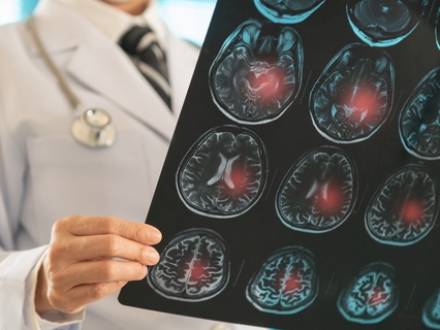 In the emergency room, you naturally expect to receive a high standard of attention and care. Unfortunately, preventable errors by doctors and nurses can have horrific results. When medical professionals fail to diagnose a stroke in the emergency room, you may have a cause of action for a malpractice claim.
If you or a loved one suffered a stroke that went undiagnosed by emergency physicians, we can help you seek payment for the damages you suffered. At Mannarino & Brasfield, A Division of Schwartz Jambois, our Rockford, IL medical malpractice lawyers have handled numerous complex claims, having secured settlements worth upwards of six figures.
Why Early Treatment Matters for a Stroke
When blood flow to the brain is blocked or reduced, brain cells begin to die. The longer the brain goes without oxygen, the worse the damage becomes. There are two main types of stroke. An ischemic stroke occurs when a clot blocks blood flow. A hemorrhagic stroke happens when a blood vessel bursts. Both are serious. Both require immediate attention.
Doctors in the emergency room are trained to look for stroke symptoms. These may include sudden weakness on one side of the body, trouble speaking, confusion, vision problems, dizziness, or a severe headache.
For ischemic strokes, clot-busting medication may be used. This treatment must be given within a short window of time. In many cases, that window is only a few hours. If doctors fail to recognize the signs and delay treatment, the patient can lose the chance for recovery. Early treatment can reduce brain damage and can prevent permanent disability. In some cases, it can save a life. When an emergency room misses the signs of a stroke, the harm can be severe and lasting.
What Are the Lasting Effects of an Undiagnosed Stroke?
When a stroke is not diagnosed in time, the damage may become permanent. Some people lose the ability to speak clearly. Others may have trouble understanding language. Many patients suffer weakness or paralysis on one side of the body. Other long-term effects may include memory loss, personality changes, or trouble with balance and coordination. Some people cannot return to work. Others need help with daily tasks like dressing, bathing, or eating.
An undiagnosed stroke can also lead to emotional harm. Depression and anxiety are common. Patients may feel frustration or shame about their limitations. Families often face stress as they adjust to a new normal.
In the most serious cases, a delayed diagnosis can lead to death. Even if the patient survives, the cost of care can be high. Rehabilitation, physical therapy, speech therapy, and long-term medical treatment can create financial strain. These lasting effects are why fast and accurate diagnosis is so important in the emergency room.
When Can an Emergency Physician Be Held at Fault?
Not every bad outcome is malpractice. Doctors are not expected to be perfect. However, they must meet the accepted standard of care.
In the emergency room, that means acting as a reasonably careful physician would under similar circumstances. If a patient arrives with clear stroke symptoms, the doctor must take those symptoms seriously. This may include ordering imaging tests such as a CT scan, consulting specialists, and monitoring the patient closely.
An emergency physician may be held at fault if he or she ignored obvious warning signs. Failing to order proper testing, misreading test results, or sending a patient home without ruling out a stroke can all raise concerns. If another reasonably skilled emergency physician would have recognized the stroke and acted quickly, a failure to do so may be negligence.
Evidence to Support a Medical Malpractice Claim in 2026
Emergency room records can be vital to a claim. These records show what symptoms were reported, what tests were ordered, and how quickly care was provided. Imaging results, lab reports, and physician notes can reveal whether warning signs were missed or ignored.
Witness statements may also help. Family members who were present can describe what they told the staff. Their accounts can show whether symptoms were clearly reported. Expert witness testimony from other medical professionals can also show how the emergency physicians failed in their duty.
It is also important to show damages. This may include proof of medical bills, lost wages, rehabilitation costs, and long-term care needs. Documentation of pain, suffering, and loss of normal life can strengthen the claim.
What Is the Statute of Limitations for Medical Malpractice in Illinois?
Illinois has strict time limits for filing a medical malpractice lawsuit. In most cases, a patient has two years from the date he or she knew, or reasonably should have known, about the injury. There is also an outside limit.
Generally, no lawsuit can be filed more than four years after the date of the alleged malpractice (735 ILCS 5/13-212). With these strict deadlines in mind, it is important to seek legal advice as soon as possible. Waiting too long can close the door on your right to recover compensation.
What if a Hospital Denies Responsibility for a Misdiagnosis?
Hospitals and doctors often deny fault. They may argue that the symptoms were unclear or that the stroke had already caused damage before the patient arrived. Insurance companies may try to minimize the harm to avoid paying out compensation for damages. Detailed medical records, imaging results, and expert opinions can show what should have happened and what went wrong. The more evidence available, the harder it is for the liable party to deny responsibility.
If a fair settlement cannot be reached, litigation may be necessary. During a lawsuit, both sides exchange information through a process called discovery. Our firm will carefully review the available records to build a strong case on your behalf.
Going up against a hospital can feel intimidating. Hospitals have legal teams and insurers behind them. With the right legal support, you do not have to face that fight alone.
Contact a Winnebago County, IL Medical Malpractice Lawyer
A missed stroke diagnosis can change a life in minutes. The physical, emotional, and financial impact can be overwhelming.
At Mannarino & Brasfield, A Division of Schwartz Jambois, we understand how serious these cases are. We will listen to your story and review your medical records in detail. Our team is prepared to investigate whether your emergency room visit met the required standard of care. Call 815-215-7561 or contact our Rockford, IL personal injury attorneys to schedule a free consultation.
Blog
Contact Us
Our Team is Qualified and Ready to Fight
 The use of the Internet or this form for communication with the firm or any individual member of the firm does not establish an attorney-client relationship. Confidential or time-sensitive information should not be sent through this form.
I have read and understand the Disclaimer and Privacy Policy.

From our offices in Rockford, Orland Park, Glen Ellyn, Joliet, Elmhurst, and Peoria, we represent injury victims throughout Illinois covering, Northern, Central and Southern Illinois. Our team handles cases in Freeport, Belvidere, Elgin, Palatine, Hoffman Estates, Des Plaines, Waukegan, Skokie, Addison, Lombard, Naperville, Lockport, Romeoville, Homer Glen, New Lenox, Mokena, Peoria, Springfield, Quincy, Edwardsville, Granite City, Maryville, Litchfield, Belleville, Winnebago County, Boone County, Stephenson County, Ogle County, Lee County, Lee County, Bureau County, Grundy County, DeKalb County, Cook County, Lake County, McHenry County, DuPage County, Kane County, Will County, Kendall County, Kankakee County, LaSalle County, Sangamon County, Champaign County, Rock Island County, Adams County, McLean County, Tazewell County, Peoria County, Macon County, Vermilion County, McDonough County, Madison County, Jackson County, St. Clair County, and more.
Results listed are not a guarantee or indication of future case results.