Free Consultations 815-215-7561 312-782-2453

815-215-7561 312-782-2453
Can a Delayed C-Section Cause Permanent Brain Damage to a Baby?
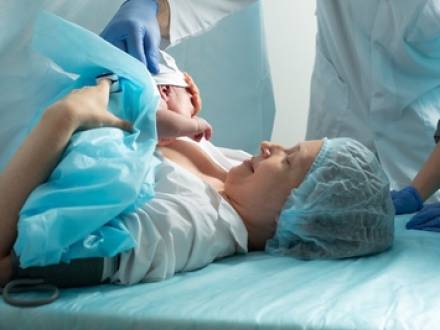 Cesarean sections, or "C-sections," are a kind of surgery used to deliver a baby when complications arise during labor. This is a relatively common procedure, and it is used in thousands of births across the country every year. However, when doctors wait too long to carry out a C-section, the infant could suffer permanent brain damage. If you believe you or your baby suffered harm due to a negligent delay in care, reach out to a Rockford, IL birth injury lawyer today.
At Mannarino & Brasfield, A Division of Schwartz Jambois, we provide in-depth guidance and aggressive advocacy for clients in medical malpractice claims. In one case, we secured $10,000,000 in compensation for a claim involving a child who suffered brain damage due to an air embolism.
When Are C-Sections Used?
A C-section is a surgical delivery. Instead of the baby being delivered through the birth canal, the doctor delivers the baby through incisions in the mother’s abdomen and uterus. C-sections are common, and many are planned in advance. Others become necessary during labor when the mother or baby shows signs of distress.
A C-section may be used when:
-
Labor is not progressing.
-
The baby is in a breech position.
-
The mother has certain health conditions.
-
The baby appears too large to pass safely through the birth canal.
-
The mother has had certain prior uterine surgeries.
-
The placenta is blocking the cervix.
-
There are problems with the umbilical cord.
Emergency C-sections can be especially serious. Labor and delivery teams must watch for signs that a baby is not getting enough oxygen. These signs may appear on fetal heart monitoring strips. They may also appear through changes in the mother’s condition, abnormal bleeding, or other warning signs.
When a C-section is medically necessary, timing matters. A short delay can be harmless in one case and devastating in another. The key question is often whether the medical team responded as quickly as a careful provider should have under the circumstances.
Possible Explanations for a Delayed C-Section in the Delivery Room
A delayed C-section does not always mean medical malpractice occurred. A baby’s condition can change quickly, and doctors may need to make fast decisions based on incomplete information. However, a delay may point to negligence when warning signs were missed, ignored, or handled too slowly.
Possible explanations for a delayed C-section that signal negligence may include:
-
Failure to properly read fetal heart monitor strips showing distress
-
Poor communication between nurses, doctors, and the anesthesiology staff
-
Waiting too long to call an obstetrician after labor complications appear
-
Delays in preparing an operating room
-
Failure to recognize umbilical cord compression or placental problems
-
Understaffing in the labor and delivery unit
-
Misjudging the mother’s ability to deliver safely without surgery
-
Failure to act after labor stops progressing
-
Delayed anesthesia or surgical team response
-
Incomplete documentation of the mother’s or baby’s condition
In many birth injury cases, the full story is found in the medical records. Labor notes, fetal monitoring strips, nursing records, medication records, and operating room timelines may show what the providers knew and when they knew it. These records may also show whether the hospital had enough staff available and whether the team followed its own procedures.
Families often know that something went wrong before they know why. They may remember alarms, rushed conversations, a doctor arriving late, or staff members suddenly changing their tone. The legal claim usually depends on whether the evidence shows that the delay fell below the proper medical standard of care.
How Does Brain Damage From a C-Section Impact a Child’s Functioning?
If a baby does not get enough oxygen during labor, the baby may suffer a brain injury. A delayed C-section may allow oxygen deprivation to continue longer than it should have, which can lead to permanent harm.
Brain damage from oxygen loss may affect a child in many ways. The child may have trouble moving, eating, speaking, seeing, hearing, learning, or controlling muscles. In severe cases, a child may be diagnosed with cerebral palsy, developmental delays, seizure disorders, or other lifelong conditions. The effects may not be fully clear at birth. Some children show problems right away. Others miss developmental milestones months or years later.
Compensation for a Birth Injury
These injuries can change the entire shape of family life. A child may need physical therapy, occupational therapy, speech therapy, medications, medical equipment, surgery, special education support, and home modifications. Parents may need to miss work or leave a job to provide care. Siblings may also be affected as the family adjusts to medical appointments, financial pressure, and daily care needs.
A birth injury claim may seek compensation for past and future medical care, therapy, pain and suffering, disability, loss of normal life, and other damages. In serious cases, the long-term cost of care may be very high. That is why these claims often require a careful review of the child’s current needs and likely future needs.
Understanding the Statute of Limitations in Illinois Birth Injury Cases
Illinois has strict deadlines for medical malpractice and birth injury cases. In many medical malpractice claims, the case must be filed within two years from when the injured person knew or reasonably should have known about the injury. A different time limit applies to birth injury cases involving minors, however.
Under Illinois law, when the injured person was under 18 at the time the medical malpractice claim arose, the case generally cannot be filed more than eight years after the act or omission that caused the injury. The law also states that the case cannot be filed after the person’s 22nd birthday (735 ILCS 5/13-212). These rules can be complicated, especially when parents may have their own claims or when the child’s injury was not fully understood right away.
Who Can Be Held at Fault for a Delayed C-Section in 2026?
Several people or entities may be responsible for a delayed C-section. The answer depends on who made decisions, who had information, and who had the duty to act.
An obstetrician may be at fault if he or she failed to order a C-section in time, ignored signs of fetal distress, or failed to respond when nurses raised concerns. Nurses may be responsible if they did not properly monitor the mother or baby, failed to report dangerous changes, or did not follow hospital procedures. An anesthesiologist may be involved if anesthesia-related delays kept the surgery from moving forward when time was critical.
A hospital may also be liable. Hospitals are responsible for staffing, policies, training, communication systems, and the availability of operating rooms. If a hospital did not have enough staff, delayed contacting the right provider, or failed to follow its own emergency C-section procedures, the hospital’s conduct may become a major part of the case.
Contact a Winnebago County, IL Birth Injury Lawyer
At Mannarino & Brasfield, A Division of Schwartz Jambois, we can review what happened before, during, and after delivery. If your child suffered brain damage or another serious injury after a delayed C-section, you deserve clear answers. Call 815-215-7561 or contact our Rockford, IL medical malpractice attorneys to schedule a free consultation.
Blog
Contact Us
Our Team is Qualified and Ready to Fight
 The use of the Internet or this form for communication with the firm or any individual member of the firm does not establish an attorney-client relationship. Confidential or time-sensitive information should not be sent through this form.
I have read and understand the Disclaimer and Privacy Policy.

From our offices in Rockford, Orland Park, Glen Ellyn, Joliet, Elmhurst, and Peoria, we represent injury victims throughout Illinois covering, Northern, Central and Southern Illinois. Our team handles cases in Freeport, Belvidere, Elgin, Palatine, Hoffman Estates, Des Plaines, Waukegan, Skokie, Addison, Lombard, Naperville, Lockport, Romeoville, Homer Glen, New Lenox, Mokena, Peoria, Springfield, Quincy, Edwardsville, Granite City, Maryville, Litchfield, Belleville, Winnebago County, Boone County, Stephenson County, Ogle County, Lee County, Lee County, Bureau County, Grundy County, DeKalb County, Cook County, Lake County, McHenry County, DuPage County, Kane County, Will County, Kendall County, Kankakee County, LaSalle County, Sangamon County, Champaign County, Rock Island County, Adams County, McLean County, Tazewell County, Peoria County, Macon County, Vermilion County, McDonough County, Madison County, Jackson County, St. Clair County, and more.
Results listed are not a guarantee or indication of future case results.